In the world of design, your work doesn't just speak for itself; it screams, whispers, or elegantly communicates its message. But where is the best place for that communication to happen? The answer is a dedicated, highly curated portfolio website for designers. Whether you specialize in UI/UX, graphic design, illustration, or motion graphics, your portfolio site is the single most important tool you have. It’s not just a collection of files; it’s a meticulously designed argument for why you are the best person for the job.
The Artistic Showcase: A History of the Designer’s Portfolio
The concept of a design portfolio is centuries old, long predating the digital age. Before the widespread use of computers, an artist, architect, or designer carried a large, physical case or portfolio full of sketches, blueprints, and finished works. These were tangible artifacts, meticulously protected and presented during job interviews or client meetings.
In the mid-20th century, as commercial graphic design emerged, the portfolio evolved into bound books or slides showcasing ad campaigns, logo designs, and print layouts. This required careful printing and production, making updates slow and expensive.
The late 1990s and early 2000s marked the digital transition. CDs and DVDs briefly hosted static presentations, but the true revolution came with the widespread adoption of the internet. This allowed designers to present interactive, high-resolution work instantly to a global audience. The modern portfolio website for designers is the culmination of this history, combining the curated quality of a physical portfolio with the accessibility, interactivity, and limitless potential of the web. It's the ultimate format for a visual profession.
Why a Portfolio Website for Designers is Your Crucial Business Tool Today
In the current creative marketplace, standing out is a challenge. Every client or hiring manager expects to see your work online. Your portfolio website for designers is far more effective than relying on social media or generic platform profiles.
- Contextual Storytelling: Your site allows you to explain the "why" behind the design, not just the "what." You can showcase detailed case studies, walking the viewer through your process, from initial user research or sketching to final execution. This demonstrates professional methodology, not just artistic skill.
- Control Over Presentation: Unlike third-party platforms that impose their own constraints, your website gives you total creative control. The site itself is a design project that reflects your aesthetic, technical ability, and attention to detail.
- Proves Professionalism: A custom domain and a beautifully structured site signal a serious commitment to your craft. It shows potential employers or clients that you view your work as a professional business, not just a hobby.
- High-Quality Traffic: When your site is properly structured, clients who are specifically searching for your services will find you through targeted keywords, leading to higher-quality leads than generic networking.
- Showcases Versatility: You can easily categorize and display diverse projects, from print ads and branding to complex UI prototypes, proving you are a multi-disciplinary talent.
This level of professional presentation aligns perfectly with the current digital landscape. If you're looking for guidance on how to build a winning online portfolio that gets you noticed, a dedicated designer site is the ultimate starting point.
The Designer’s Playbook: Must-Have Elements for Your Portfolio Site
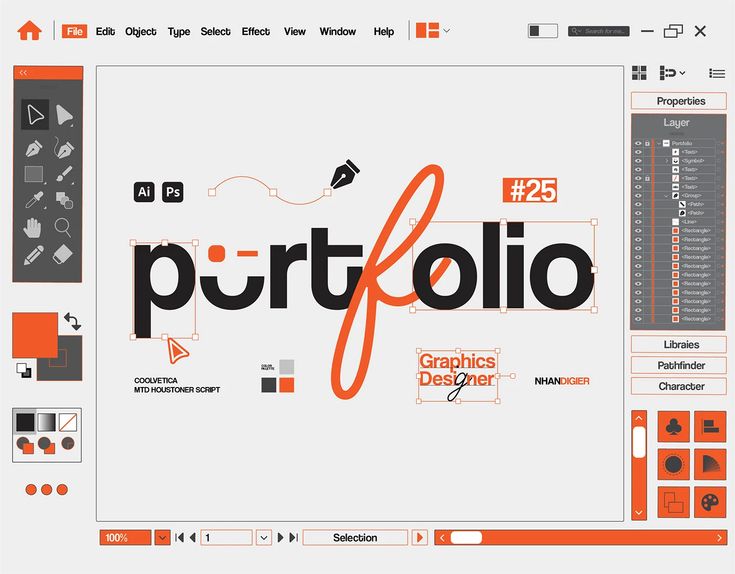
Building a compelling portfolio website for designers is a balancing act between aesthetics and functionality. It must be beautiful, but above all, it must be effective at getting you hired or landing clients.
Curating Your Project Case Studies
Design projects must be showcased as in-depth case studies, not just static images.
- Quality Over Quantity: Select your 3-5 strongest, most relevant projects that showcase the skills you want to be hired for.
- The Problem/Solution Narrative: Start by defining the challenge presented (e.g., "The client needed to reduce checkout abandonment"). Then, present your creative solution.
- Process Documentation: Include wireframes, mood boards, user flow diagrams, or sketches. Showing your messy process proves you follow a strategic methodology.
- Client Impact (Metrics): If possible, include quantifiable results (e.g., "Design update increased conversion rate by 15%"). Data sells design effectiveness.
Design and Technical Standards
A designer's site must adhere to the highest web standards.
- Impeccable Visual Hierarchy: Use clear headings, white space, and typography to guide the viewer’s eye through your content. The design should serve the work.
- Fast Loading Speed: Designers often use large images, but optimization is key. Use modern image formats (like WebP) and compression tools to ensure quick load times.
- Responsive Design: Ensure the entire site looks and functions perfectly on desktops, tablets, and phones. The site is a live demonstration of your UX/UI skills.
The Human Touch and Professional Links
Potential clients want to hire a creative partner, not just a service.
- The "About Me" Page: This should be your second most important page. Write a brief, genuine paragraph about your design philosophy, your inspirations, and your personality.
- Professional Headshot: A high-quality, authentic photo helps humanize your brand and builds trust.
- Clear Contact Information: Don't make clients search. Provide an obvious contact form or a direct email address, and link to your professional profiles (LinkedIn, Behance, etc.).
For designers just starting out and needing a cost-effective solution, there are many avenues to explore for online portfolio websites free: how to build yours today, which can still provide a professional base.
Beyond the Portfolio: Adding Value with Resources
The best portfolio website for designers goes beyond showcasing past work; it provides value and establishes you as a thought leader.
- Resource Section/Blog: Post articles about design trends, tutorials on tools, or critiques of popular interfaces. Writing about design proves you can articulate your ideas and contribute to the community.
- Testimonials: Include short, impactful quotes from past clients or employers. Social proof is a powerful tool for building immediate credibility.
- Unique Value Proposition: Use your homepage headline to state what makes you different. Do you specialize in sustainability-focused branding? Performance-driven UX? Make it clear and compelling.
Your portfolio site is not static; it is a continuously evolving product. By applying your design principles to your own brand, you create a powerful, persuasive, and effective tool that works for you 24/7.