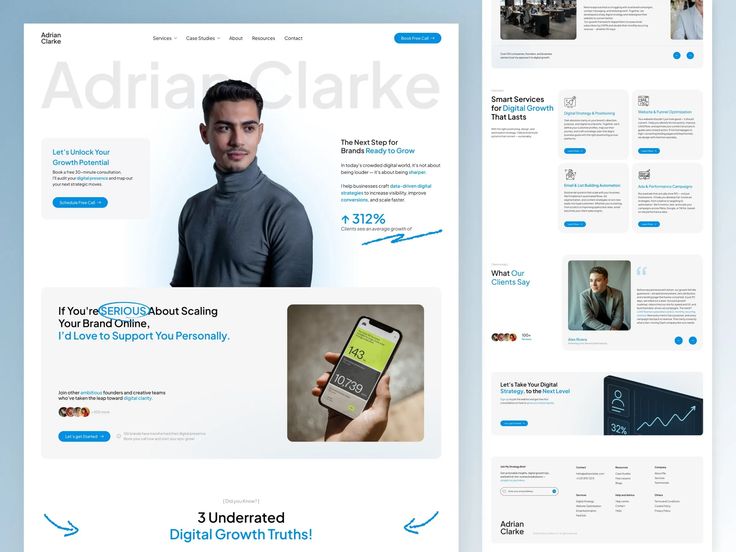
Your portfolio is more than just a collection of work. It is your personal stage, your online handshake, and often the first impression clients, employers, or collaborators get about you. That is why exploring portfolio website design ideas is so important.
From clean minimalist layouts to bold interactive designs, the right portfolio style can highlight your skills, personality, and vision. In this article, we will explore the history of portfolio websites, why design inspiration matters today, and practical ways to bring your ideas to life.
Portfolios have existed for centuries. Artists carried sketchbooks, architects showed blueprints, and photographers displayed physical albums. Before the internet, sharing work was limited to face-to-face presentations.
With the rise of the web in the late 1990s, professionals began experimenting with personal websites. These early online portfolios were often static, built with basic HTML, and focused on showing images and short bios. As design tools improved, creative industries started pushing boundaries with Flash animations, dynamic galleries, and interactive storytelling.
Fast forward to today, portfolio websites have become essential. They are not only a showcase but also a reflection of professional branding. Modern designers and developers now look to global trends for portfolio website design ideas that can capture attention and communicate value instantly.
In today’s digital-first world, your portfolio is often more powerful than your CV. According to UNESCO’s insights on culture and creativity, self-expression through digital platforms is shaping the way people share skills and stories globally.
That is why looking at portfolio website design ideas is not just about style. It is about strategy, usability, and future opportunities.
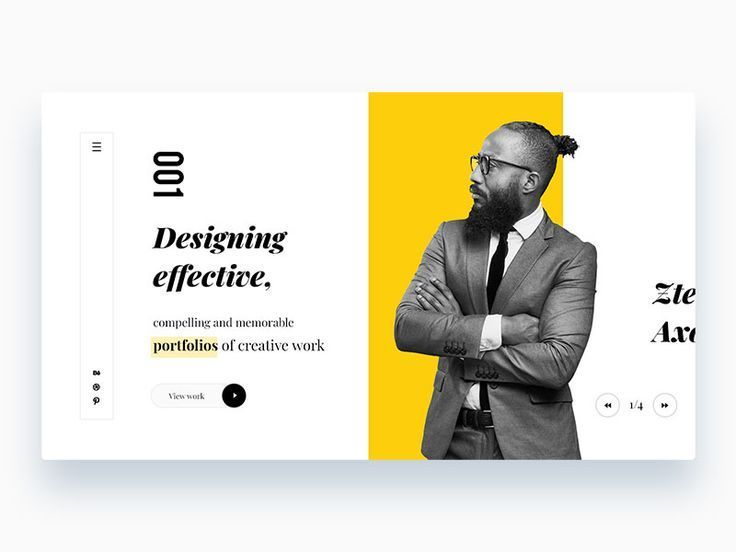
When exploring inspiration, you’ll notice certain design elements make a portfolio shine. Here are some of the most effective ones:
White space draws attention to your work.
Simple typography creates a professional feel.
Hover effects, transitions, or animations add engagement.
Interactive timelines highlight your career journey.
Full-screen images or videos immerse viewers.
Case studies tell the “why” and “how” behind projects.
Side-scrolling designs or split screens provide originality.
Sticky menus keep navigation intuitive.
Portfolios must adapt to phones and tablets seamlessly.
Personal Branding Elements
Consistent color palettes, icons, or logos build recognition.
Custom illustrations make your portfolio feel unique.
These elements are not rules but creative options you can explore while shaping your own digital presence.
Different professions call for different portfolio styles. Here are some ideas based on industries:
Web Developers: Use code-driven designs, interactive demos, or dark mode layouts.
For a deeper dive, check out Uni-B’s guide on how to build a winning online portfolio that gets you noticed. It covers essential strategies to align design with personal goals.
Looking for inspiration is just the beginning. Here are actionable tips to create your portfolio:
Explore frameworks and free portfolio website options that give you a professional head start.
Feature only your strongest projects to avoid overwhelming visitors.
Use custom photography, quotes, or stories to make it memorable.
Show how you approached a project, the challenges faced, and the solutions delivered.
Social proof builds trust.
Treat your portfolio as a living project. Refresh it with new work, design tweaks, and updated branding.
Ask peers or mentors to review navigation, readability, and mobile responsiveness.
By combining these steps with inspiring design examples, you’ll create a portfolio that not only looks good but also delivers results.
Why Portfolio Website Design Ideas Will Always Evolve
Design is not static. As technology, culture, and user expectations shift, so will portfolio websites. Whether through 3D visuals, AI-driven personalization, or minimalist micro-interactions, the future promises new waves of creativity.
The key is to stay inspired. Keep exploring portfolios, studying trends, and experimenting with your own style. Your digital showcase should evolve with you, reflecting both your journey and your ambitions.