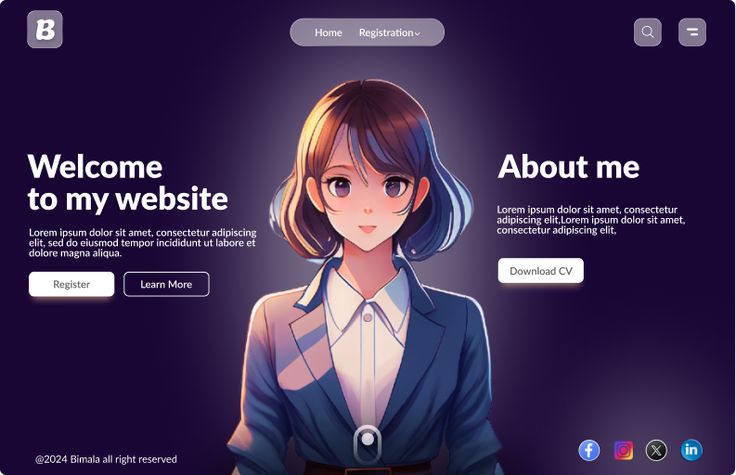
Creating a good website for portfolio is one of the smartest steps you can take for your career. Whether you are a designer, developer, photographer, educator, or freelancer, your portfolio website is often the first impression people have of your work.
But what makes a portfolio website truly stand out? To answer that, we need to look at its history, its role in today’s world, and practical steps you can follow to build one that is both professional and personal.
The concept of a portfolio goes back centuries. Artists, architects, and writers in ancient times carried physical collections of their work to show patrons and employers. The word itself comes from the Italian porta (to carry) and foglio (sheet), meaning a folder for carrying important documents.
By the Renaissance, portfolios were essential for securing commissions. Fast forward to the 20th century, and physical binders filled with photographs, designs, or writing samples were standard for creative professionals.
With the rise of the internet in the 1990s, portfolios began moving online. According to Britannica’s history of the internet, digital publishing transformed how people shared information globally. Suddenly, a portfolio was not just a binder you handed over in an interview, but a website accessible to anyone, anywhere. This shift marked the birth of the portfolio website as we know it today.
In our digital-first world, your portfolio site is more than just a collection of work samples. It is your professional identity, your personal brand, and your gateway to opportunities.
Here are a few reasons why a good website for portfolio is essential today:
As Uni-B highlights in their guide on digital portfolios in 2025, professionals who invest in their online presence are more likely to attract attention and grow their careers.

Not every site qualifies as a good portfolio. The most successful ones share certain features that make them stand out and serve their purpose effectively.
As Uni-B explains in their step-by-step guide to portfolio websites, structure and clarity are just as important as design.
Different professions have different approaches to showcasing work. Here are a few styles that consistently work well:
Bold, creative layouts.
Visual mockups showing projects in real-life scenarios.
Minimalist design with clear navigation.
Links to GitHub or live project demos.
Easy-to-read blog or article samples.
Headlines that reflect writing tone and expertise.
Full-width image galleries.
Minimal backgrounds to highlight photos.
Case studies of student success.
Resource sections with downloadable materials.
If you are ready to create or improve your site, here are some actionable tips:
As technology evolves, portfolio sites are becoming even more interactive and personalized. Expect to see features like:
But no matter how advanced the technology becomes, the foundation of a good website for portfolio will remain the same: it must tell your story, highlight your work, and connect you to opportunities.